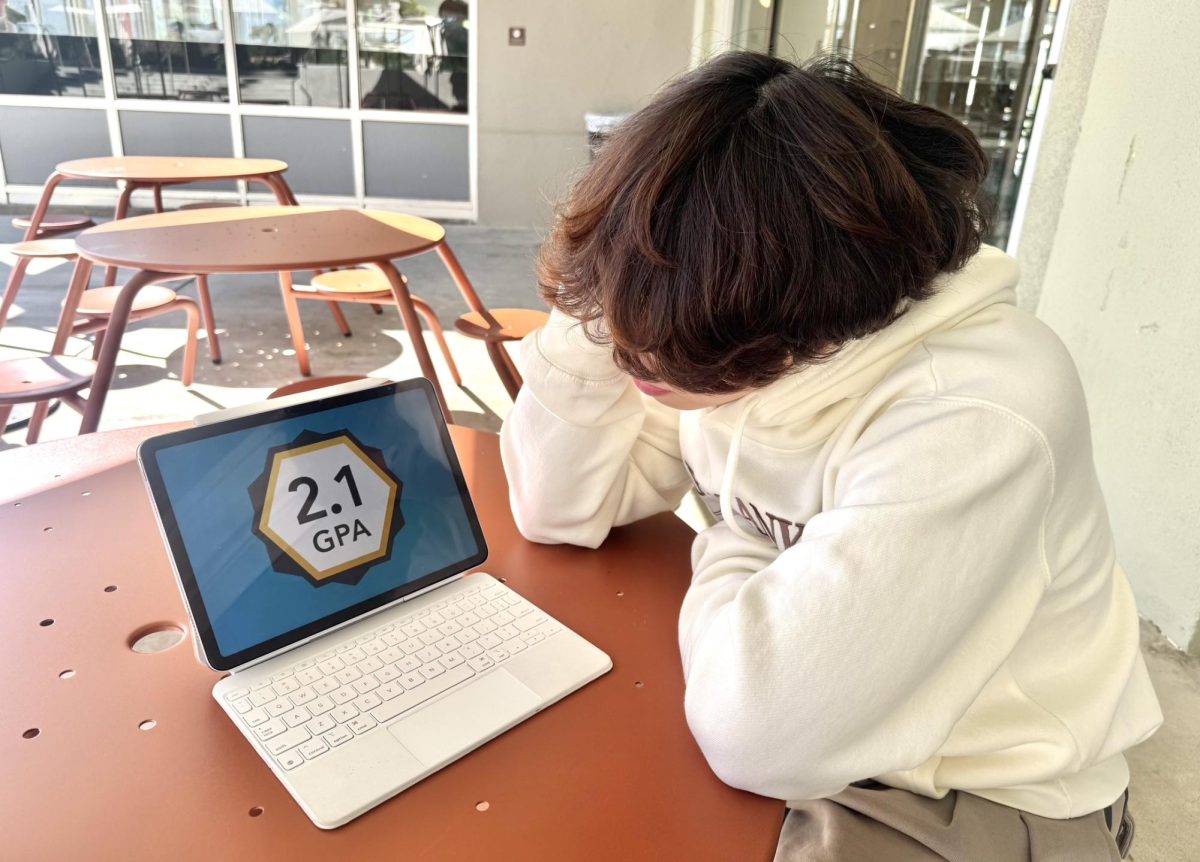












These days, the number of bilingual people has increased and they feel that they become a different person when they speak another language. I also feel this way. I speak three languages, including Japanese, English, and Korean, and I feel that the way I speak and think changes depending on the language I speak. According to Psyche, the research shows that “approximately 65%” of people feel like different people depending on the language they speak. This raises the question that people change their personality when they speak another language. I believe that language does not change a person’s core personality. Instead, it brings out different aspects of the self depending on culture, context, and emotional expression.
From my personal experiences, the differences are very clear. For example, when I speak English, my voice tone changes to lower than other two languages. Also, the way of speaking or the way of expressing my feelings change too. When I speak English, I speak more directly and become more extroverted, but at the same time, speaking English requires more energy. Furthermore, because English is not my first language and lack of my English vocabulary skills, I have less confidence, especially during discussion which reduces how much I speak.
Compared to speaking English, my tone becomes higher and I become more emotional when I speak Japanese. However, I tend to overthink, which also causes me less opportunity to express or share my thoughts and feelings. This might be because I used to not share my thoughts much in Japanese.
On the other hand, when I speak Korean, I feel I am a really different person. I can express my feelings more in Korean and be more extroverted than when I speak either Japanese or English. In addition, it is easier to express thoughts and feelings, and I think more logically. This is because Korean has more words to describe feelings or thoughts, and my friends also tend to think logically and share their opinions directly. Overall, each language changes my way of speaking, thinking process, and behavior.
These differences are supported by research. For example, according to Psyche, emotional intensity and expression differ by language being spoken. In one’s native language, emotions and subtle meanings can be expressed naturally, while in foreign language, there is a difficulty to share emotions because of lower confidence. Not only is behavior impacted but the language can impact the impression we make on others. According to Psyche, “language serves not merely as a means of communication, but acts as a lens that alters how we perceive things and behave.” Therefore, this research supports the idea that language shapes behavior, not one’s core personality.
There has been another research that supports the idea that the relationship between language and culture plays a significant role in shaping who you are. According to an EU article, language is deeply connected to cultures values, and social norms, and “using a language naturally leads to behaviors and attitudes appropriate to the culture.” For instance, even the same person may be assertive in one language and could be reserved in another. This is influenced by whether it was learned in the context of fal¥mile or close relationships versus in school or the workplace. As a result, “a distinct ‘self’ is formed for each language.” Yid research explains the reason people feel like different individuals. Furthermore, an article from Journal of Personality and Social Psychology said that, “personality traits vary by language.” Because language activates cultural frameworks, people may tend to behave more extrovertedly when using one language. In addition, language is linked to “memory and emotion.” Speaking a certain language can trigger memories and feelings associated with that language, which in turn influences behavior and attitude,
These differences were reflected in interviews with EF Academy’s international students. Crystal Seo, who speaks three different languages shared that, “my actions get more exaggerated when I speak English than Korean.” She also said that her way of thinking “becomes more simple when I speak English.” According to her, language affects emotional expression and behavior. Another student, Vivian Bui, who speaks two languages told that when she speaks her native language, “I speak cheerfully and sarcastically and I don’t think much before I say something.” However, when she speaks English, she prefers “to think more before talk,” or “I don’t have much to say due to lack of vocabulary.” She also feels that the way of speaking differs depending on what language she speaks. Overall language affects confidence, thinking process, and communication style.
Based on my experiences, research, and interviews, it feels like one’s personality changes depending on language. However, the real reasons are cultural influence, emotional differences, and language ability. Language does not create a new personality but highlights different aspects of the same person.
Language strongly influences behavior, and thinking. This makes people feel like different individuals. However, one’s core personality does not change. Multilingual individuals might feel speaking another language changes their personality or feel like a different person, but language does not create multiple personalities. They are just multiple ways of expressing the same identity.