









Is Live Theatre a Dying Art
With streaming platforms and short videos dominating entertainment, many people wonder if live theatre is slowly fading away.
From the 19th century to the early 20th century, theatre was the main form of entertainment in every town and city in North America and Europe. However, with the rising popularity of movies and television, theatre has experienced a sharp decline and is now much more outdated and inaccessible than in the past.
Furthermore, younger generations have grown up with screens, leading them to favor streaming platforms over traditional art forms. But live theatre is still found in big cities, such as Broadway and the West End. And in many ways, theatre is evolving and adapting rather than disappearing.
Theatre is definitely facing many challenges. In recent years, the modern audience has been leaning towards short-form content like TikTok or Instagram Reels, leading to shorter attention spans. High production costs and ticket prices have also discouraged people, leading to a smaller audience than in the past.
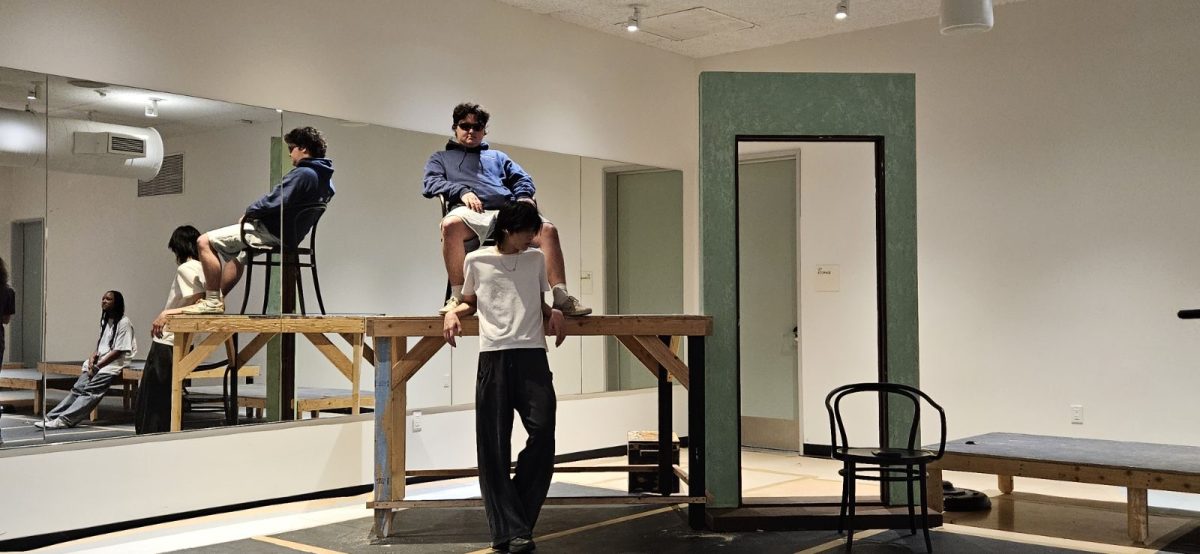
Emilia Csillag, a set designer from EF Academy Pasadena, explained that theatre is not necessarily “dying,” but in a way “disappearing,” as streaming platforms are “simply more convenient” and “you don’t need to dress up or set a specific date; you simply press play.”
Ashley Chow, a student director’s assistant, has also pointed out that many “older people go to the theatre,” suggesting that younger people don’t attend as often.
Both interviewees have very different time frames since their last production versus the last time they enjoyed a film. The last time Csillag watched a live performance was “two months ago,” and for Chow, “last year in March.” As for the last time they’ve watched a movie, for Csillag it was only “yesterday,” and for Chow, “last week.”
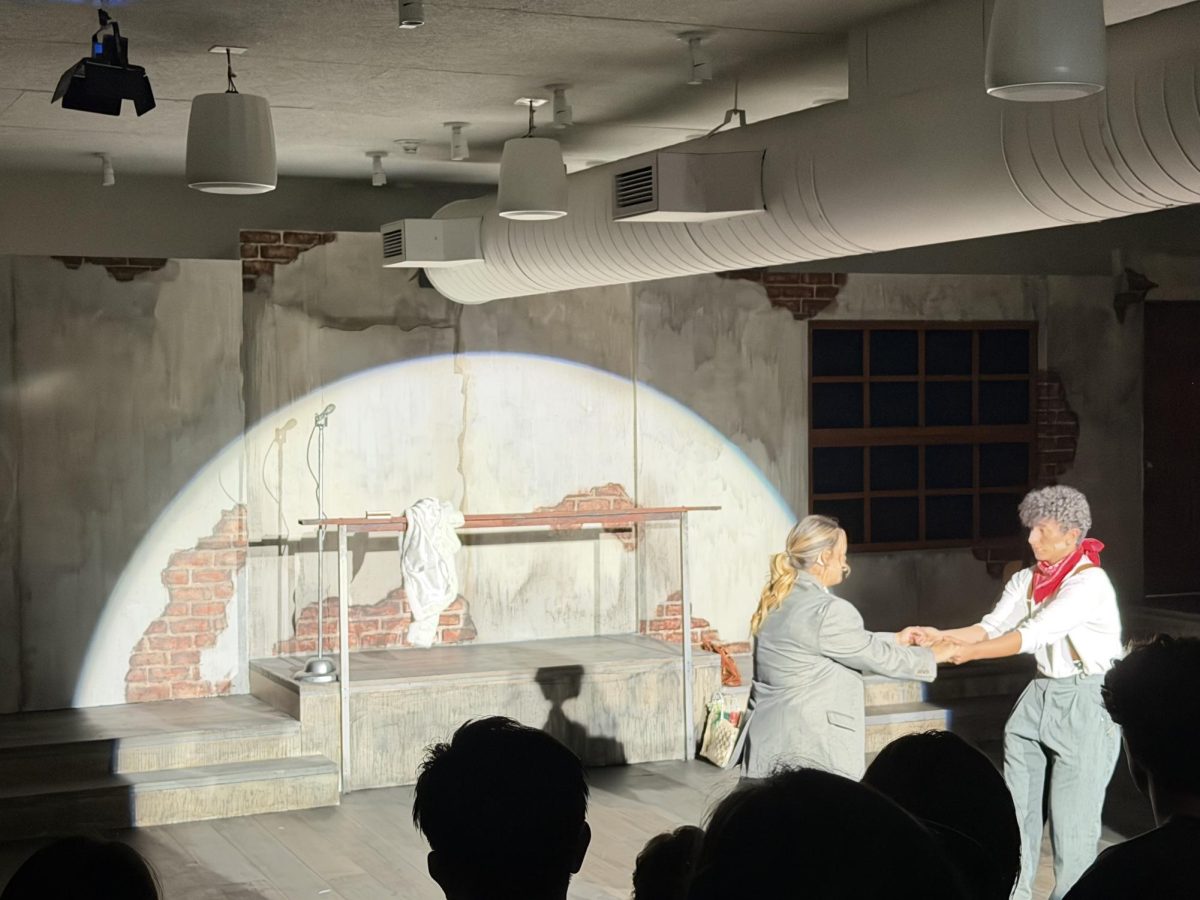
However, just because theatre popularity is declining doesn’t mean it’s going extinct. Csillag shared that in theatre, there are now many “live streams, more technology, and more diverse stories.” Productions like “Hadestown” and “Hamilton” incorporate moving stage and stage lighting to create more immersive experiences.
Chow described theatre as “fun” and “creative,” and Csillag said that “art always matters,” and it “connects people who maybe wouldn’t have a connection without it.”
It builds a community and creates an emotional presence that screens can’t replicate. That is live theatre’s biggest strength, and is the reason why it still matters and will survive.
Although theatre no longer dominates entertainment, it will continue to evolve and adapt, finding its way in the digital world.