







Playing a musical instrument has long since been considered both a good creative outlet and a great way to stimulate mental development during childhood. But what if playing an instrument wasn’t just a fleeting childhood hobby? What if every youth was required to play an instrument?
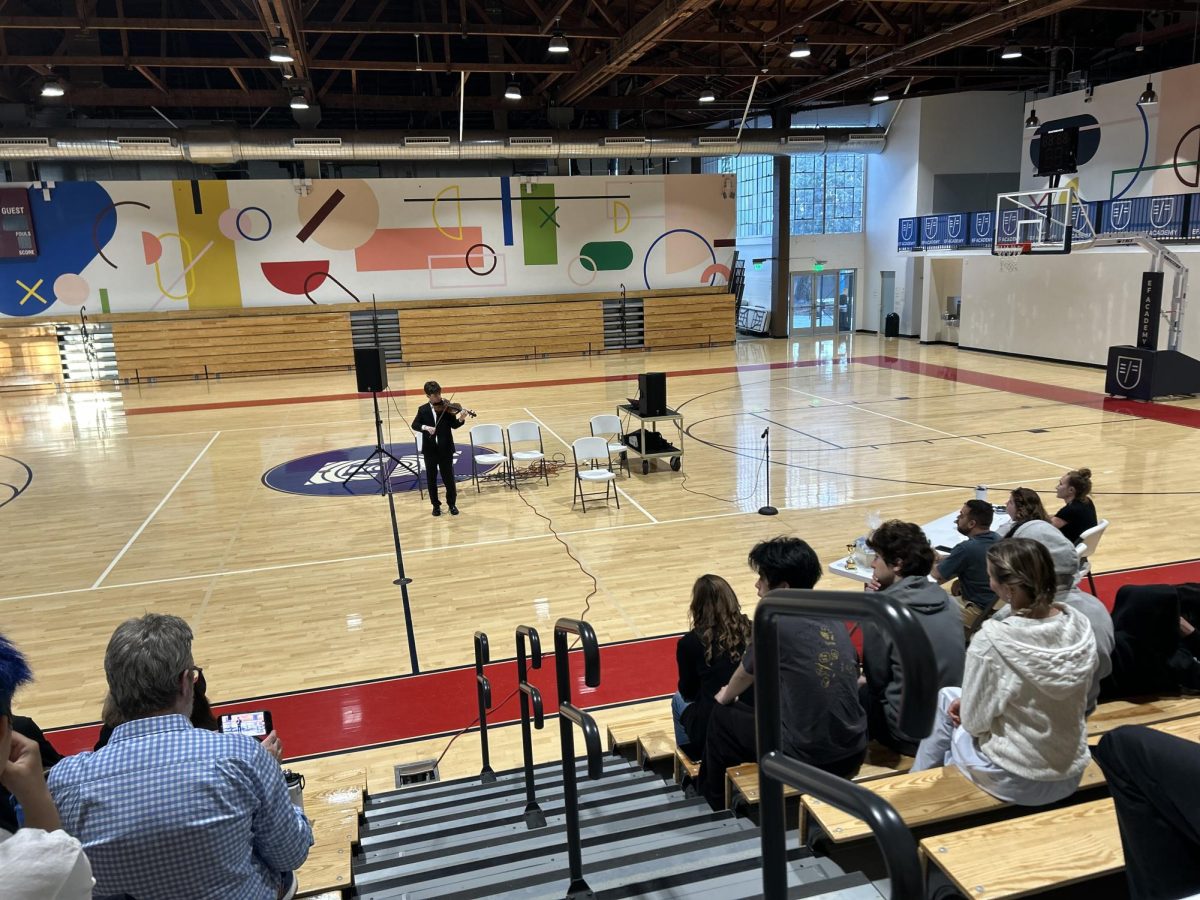
Learning to play an instrument during childhood has been shown to rapidly stimulate mental development. According to the American Music Institute, playing an instrument or learning music theory during developmental years causes large improvements in memory, engagement and critical thinking that persist throughout life. Additionally, musicians are often easier to coach and are much faster learners as a result of music lessons.
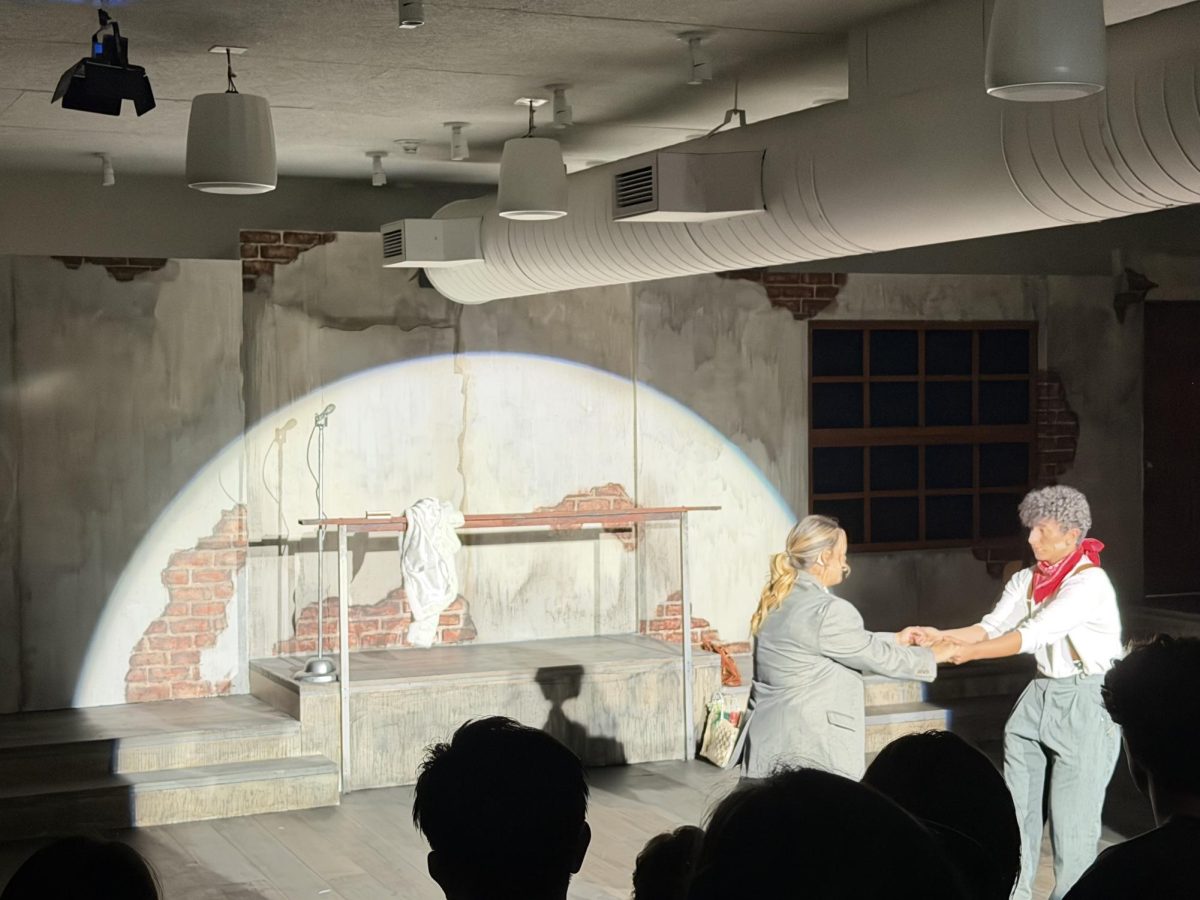
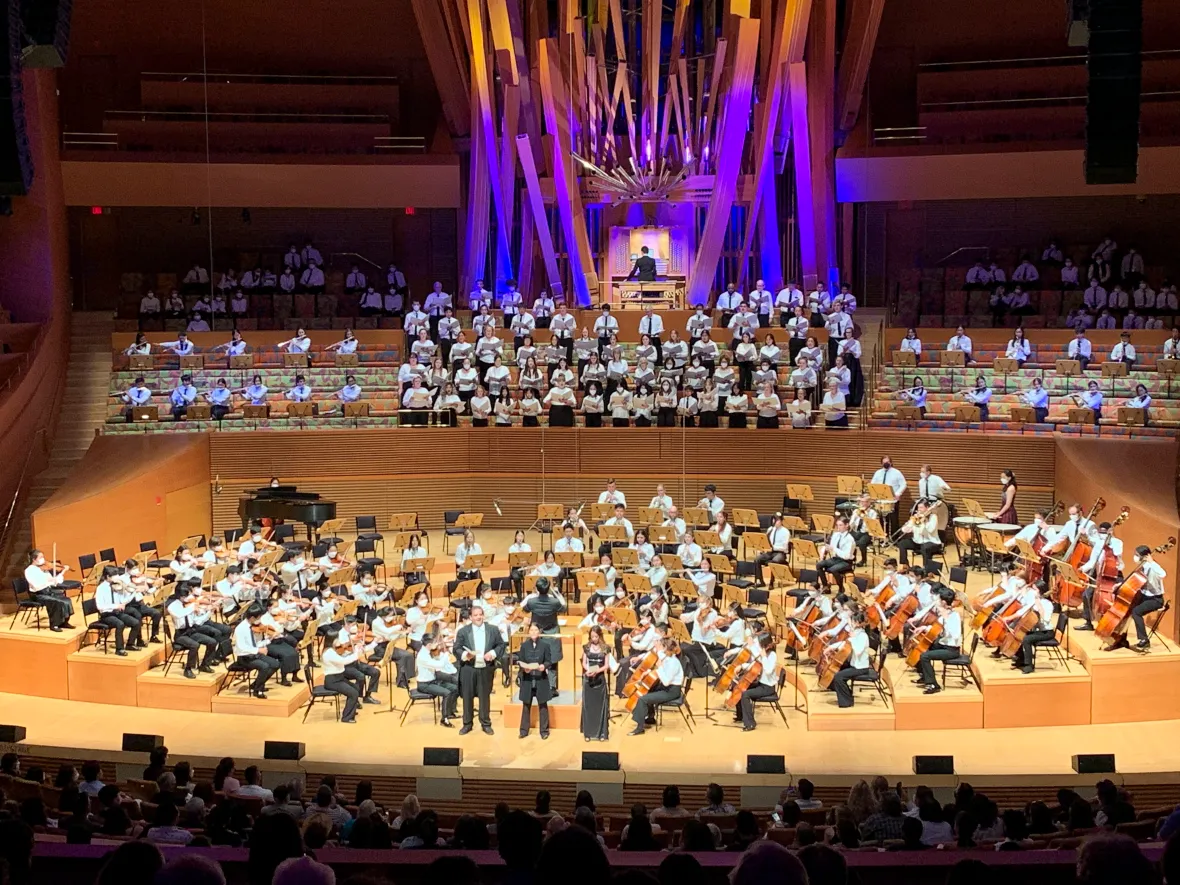
Music and performing can foster social skills as well. Playing in groups, whether it be band, orchestra, choir, or musical theatre, can develop invaluable teamwork and cooperation skills, learning to play as one cohesive unit. Even if you play by yourself, solo performers can also gain increased self confidence and often find it easier to express themselves without fearing judgement from others. Music often proves to be a fantastic means of expression, especially through writing and composition.
There is scientific evidence to back this up as well. According to the National Library of Medicine, brain scans of those who played instruments from a young age have shown that it develops parts of the brain similar to those developed by learning a second language. Other benefits include higher neuroplasticity and especially high development in the auditory cortex, the part of the brain responsible for processing and understanding sound.
These benefits can be reaped even if you aren’t serious about music; just learning to play for fun can still be beneficial. Even outside of performance, just learning pieces on your own can give you skills that benefit other facets of life. Christopher Still, professional musician, had this to say: “The benefit of playing an instrument is not that you will play for the rest of life, but that during those formative years you learn how to accomplish things and set goals and deal with frustration.”
While music is very brain healthy, it is often a very costly pastime. Instruments are expensive, and finding a teacher can be difficult. However, in many places there exist initiatives, such as the Youth Orchestra of Los Angeles, that are willing to fund young musicians and provide learning support to those without a teacher. Even if you live in an area without these initiatives, there are often still ways to get involved, such as school theater groups or community choirs.
Regardless of how, getting an education in music at an early age is one of the healthiest things you can do for your brain. Even if you never touch your instrument again after you graduate, it develops a healthy, open-minded outlook and improves cognitive function by miles for the rest of your life. It’s a healthy hobby with mountains of scientific evidence to back it up, a potential creative outlet, and engaging pastime for people of all ages.