







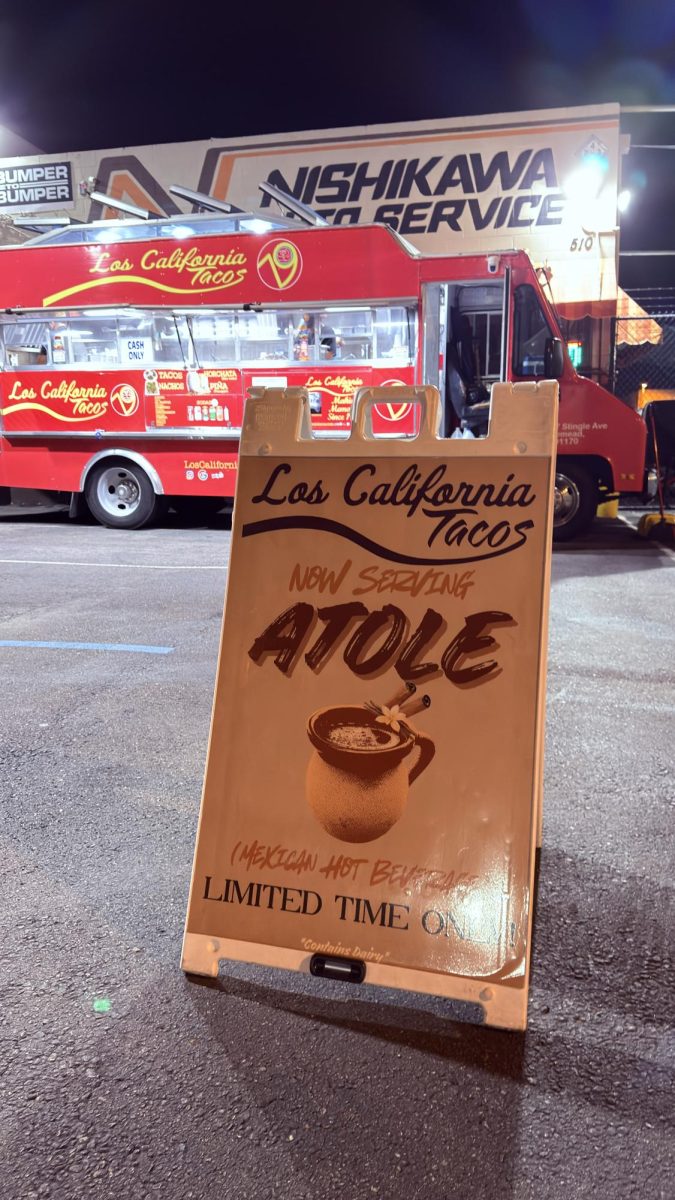





In recent years, tipping has expanded beyond restaurants and into many parts of everyday life. At coffee shops, takeout counters, food trucks, and even self-checkout screens, customers are prompted to leave 20% or more before completing a payment. In some cases, the suggested options start at a high percentage, which can make skipping the tip feel awkward. Tipping used to be seen as a simple way to show gratitude, but now many customers feel like they are expected to tip in almost every transaction. This noticeable shift raises an important question: Should tipping culture in the United States be reformed?
Originally, tipping had a clear and specific purpose, with a long history in the United States. According to TIME Magazine, tipping became common in the United States in the late 1800s after wealthy Americans brought the custom back from Europe. After the Civil War, some businesses began relying on tips instead of paying workers full wages, which helped spread the system in service jobs. In a full-service restaurant today, servers are often paid a lower base wage and depend on tips as an important part of their income. In that context, tipping can seem practical. Customers can recognize attentive or friendly service staff and show their appreciation. It also allows servers to earn more when they provide a positive dining experience. This creates a direct relationship between effort and reward. Although this system is not perfect, it is closely tied to service quality and customer satisfaction.

However, tipping now appears in situations where little or no personalized service is involved. Customers are asked to tip when they order on a screen or buy a simple item at a counter. Digital screens frequently suggest high percentages automatically, which can subtly pressure consumers to choose one rather than select no tip. Over time, instead of feeling appreciative, more people feel uncertain, uncomfortable, or even resentful.
The deeper issue is not whether workers deserve fair pay. Many workers rely on tips to support themselves. The real concern is that tipping increasingly becomes a way for some businesses to rely on customers to cover wage gaps. According to the U.S. Department of Labor, federal law allows employers to pay tipped workers a base wage as low as $2.13 per hour if their tips make up the rest of the minimum wage. Because of this system, companies may expect customer tips to address this problem instead of raising base wages. As a result, the responsibility shifts from employers to consumers. For service workers, their income becomes unstable because it depends on factors that they cannot control, such as customer behavior and daily traffic.
In conclusion, reform does not mean eliminating tipping. This issue could be improved by increasing wage transparency, raising base pay where necessary, and limiting tipping prompts to services that truly go beyond expectations. Tipping should be a choice for customers, but not a required step for every transaction. If fairness for both workers and consumers is a goal, then the current system should be reformed.