













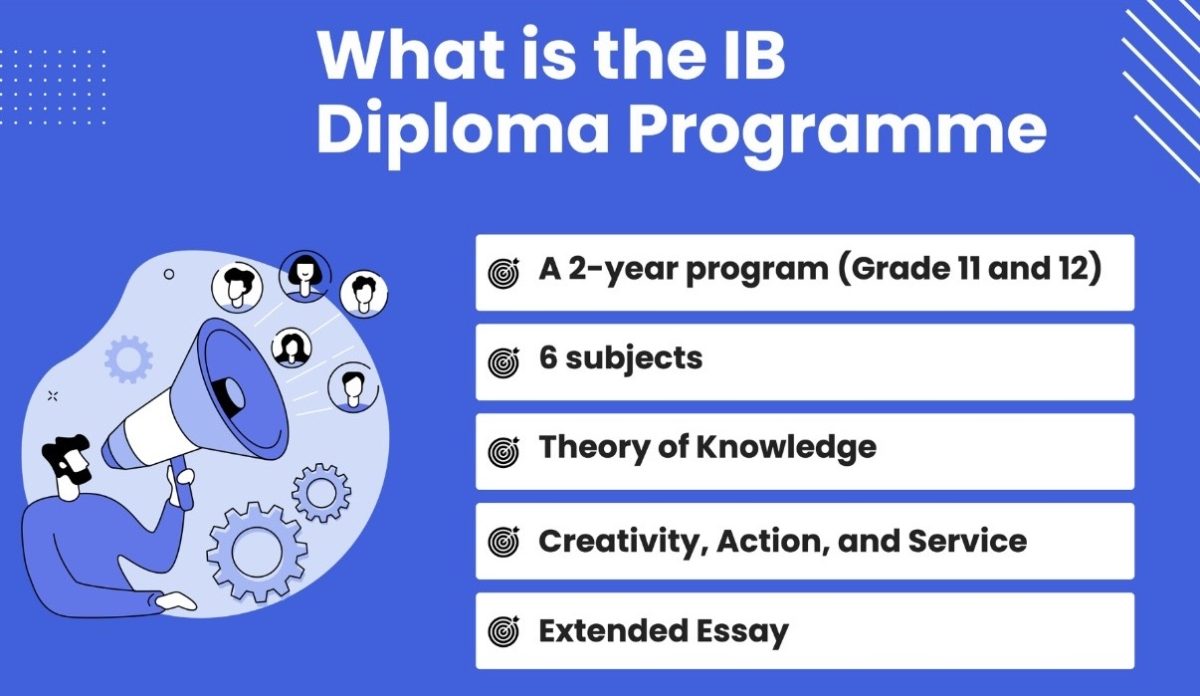
Starting next academic year, EF Academy Pasadena will introduce the IB (International Baccalaureate) program, marking one of the most significant academic expansions in the school’s recent history. While EF has long been known for its AP (Advanced Placement) courses and strong emphasis on project-based learning, the school will now offer all three academic pathways side by side. This expansion raises an important question: what does the addition of IB mean for the identity of our school and for students planning their futures?
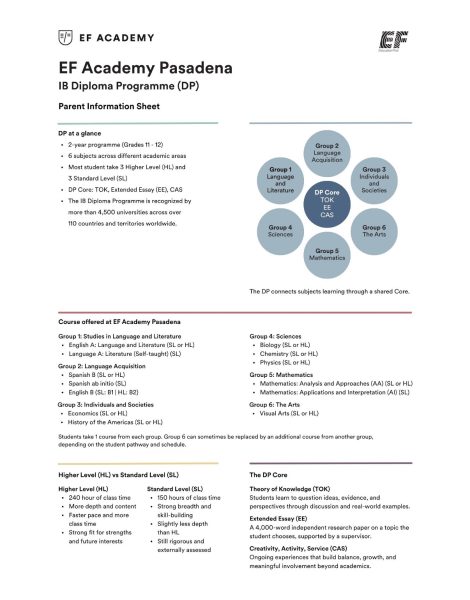
According to Clemente Perez Garcia, a teacher who is familiar with the IB curriculum, the primary reason for introducing the program is alignment with other EF campuses like EF New York and EF Oxford. Also, as an international school, offering IB plays an important role in attracting global students. Schools without IB may find it more difficult to appeal to international families. The IB diploma is widely recognized internationally, allowing students flexibility when applying to universities not only in the United States, but also in their home countries. In short, the program expands students’ options globally.

The introduction of IB highlights important structural differences between IB and AP. While AP courses typically last one year and focus on end-of-year exams, the IB Diploma Programme is a two-year commitment. Perez Garcia noted that IB classes more closely resemble university-level courses in both structure and expectations. Although AP exams often require significant memorization, IB requires stronger emphasis on critical thinking, analysis and deep understanding. Students are encouraged to explore subjects in greater depth rather than focusing primarily on test performance. “IB is not only for ‘smart kids’.” Perez Garcia emphasized. “It requires consistent effort, training, and time.” While the workload may initially feel demanding, the long-term benefits may be significant.
From a college admission perspective, the addition of IB is not expected to disadvantage students. Kyle Kurfirst from the University and Academic Counseling (UAC) explained that colleges do not simply label IB as “better” than AP. Instead, admissions officers evaluate how much a student has challenged themselves within the context of their school environment. Personal growth is more important than the name of the program itself.
Both educators emphasized that success in IB requires proactive effort. Perez Gracia advised students to ask for help early if they are struggling. “Teachers cannot support you if they do not know you are having difficulties.” He talked about the importance of communication. On the other hand, Kurfirst highlighted the need for strong time and stress management. Because IB involves long-term projects and extended assignments, students must develop self-management skills the same as during the college application process. Taking advantage of available support systems such as UAC advisors, teachers, study hall time and office hours will be essential.
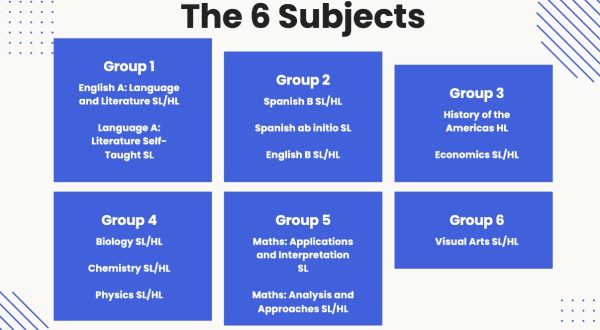
Offering multiple programs may empower students to choose what best fits their academic goals, but it also requires careful guidance to ensure students understand the differences and expectations of each track. IB represents more than just the addition of another curriculum. It signals EF Academy Pasadena’s evolving identity as a globally connected institution.By offering AP, IB, and project-based learning together, EF Academy Pasadena is not replacing its identity — it is ‘redefining’ it.