






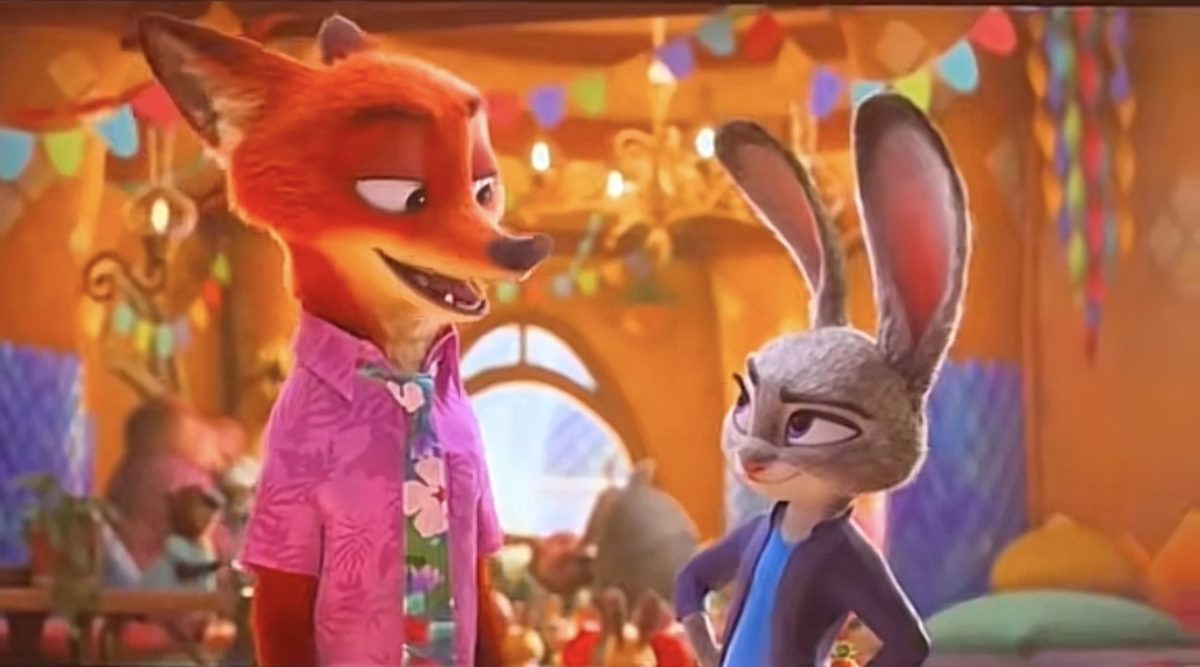
“Zootopia 2” is a sequel to the original, the story of Judy Hopps and Nick Wilde, while expanding the colorful, fun world of Zootopia and delivering a strong impact and an important lesson. Like the first film, the sequel aims to entertain audiences of all ages while also addressing deeper social issues, making it more than just a typical animated movie.
The film focuses on conflict and cooperation between different groups within Zootopia, this time highlighting tensions between mammals and reptiles. Several scenes portray groups of snakes as objects of suspicion and blame them for problems they didn’t cause, which could easily be interpreted as a deeper political message. These moments reflect how stereotypes and profiling operate in real life, educating and reminding people of the existence of instilled racial and social discrimination seen in modern-day society. Despite these heavier themes, the movie presents them in a way that is understandable to younger viewers.
Audience reactions varied, but were mostly positive. Cash Camacho, a viewer interviewed for this article, described his first reaction to the movie as “cute,” adding that it was “definitely a fun film for all, not just kids.” He also pointed out a character that stood out to him the most, a walrus who communicates by saying “hey bub,” regardless of any situation. According to Camacho, the character added to the film’s humor and charm. When asked who he would recommend the movie to, Camacho enthusiastically replied that he would recommend it to everyone, emphasizing how memorable and impactful the film had been to him.

Another viewer, Arizona Alexakis, noted that while the movie was enjoyable, it also carried “cute with strong undertones of some political themes.” Alexakis interpreted the film as a commentary on honoring those who originally inhabited the land, drawing parallels to the displacement of Native Americans.
Character development is one of the film’s most notable strengths. Judy Hopps shows noticeable growth as a leader, learning the importance of listening rather than making assumptions. Nick Wilde becomes more confident and takes on greater responsibility as a police officer, making their partnership feel more equal than in the first film. At one point, Judy explains that progress only happens when people truly listen to one another instead of assuming the worst, reinforcing the movie’s central message of understanding and trust.
Visually, Zootopia 2 improves upon its first movie. The animation is more detailed and polished, and the action scenes are fast-paced while still easy to follow. The film also succeeds in balancing serious moments with humor. Jokes are spread throughout and appeal to both kids and adults, including quick lines like “What the pork!” that add liveliness without undercutting the message. As Alexakis pointed out, some jokes are clearly meant for older audiences, slipping in subtle humor that younger viewers might miss.
Overall, Zootopia 2 succeeds as a sequel by expanding its world, expanding the detail of its characters, and continuing to blend entertainment with social commentary. Whether viewers focus on the humor, the animation, or the themes of prejudice and cooperation, the film offers something for everyone and encourages conversations that extend beyond the screen.