













Imagine a game world where the universe never ends because it is built as you explore, or enemies and allies that observe and adapt to your behavior. This isn’t about machines replacing human creativity; it’s about utilizing a powerful tool to handle impossible scale and complexity that human developers are struggling to manage alone.
Using AI in video game development often sounds controversial, but its true potential lies in enhancement rather than replacement. While threats to creative jobs are real, the industry must find the “right place” for the technology: creating responsive non-player characters (NPCs), infinite procedural worlds, and robust game testing. This deepens the player’s experience without sacrificing the human touch.
Before addressing the downside of using AI in making a game, it is vital to recognize the advancements that AI have brought into video games. Responsive AI-driven NPCs are the biggest evolution in the gaming industry.
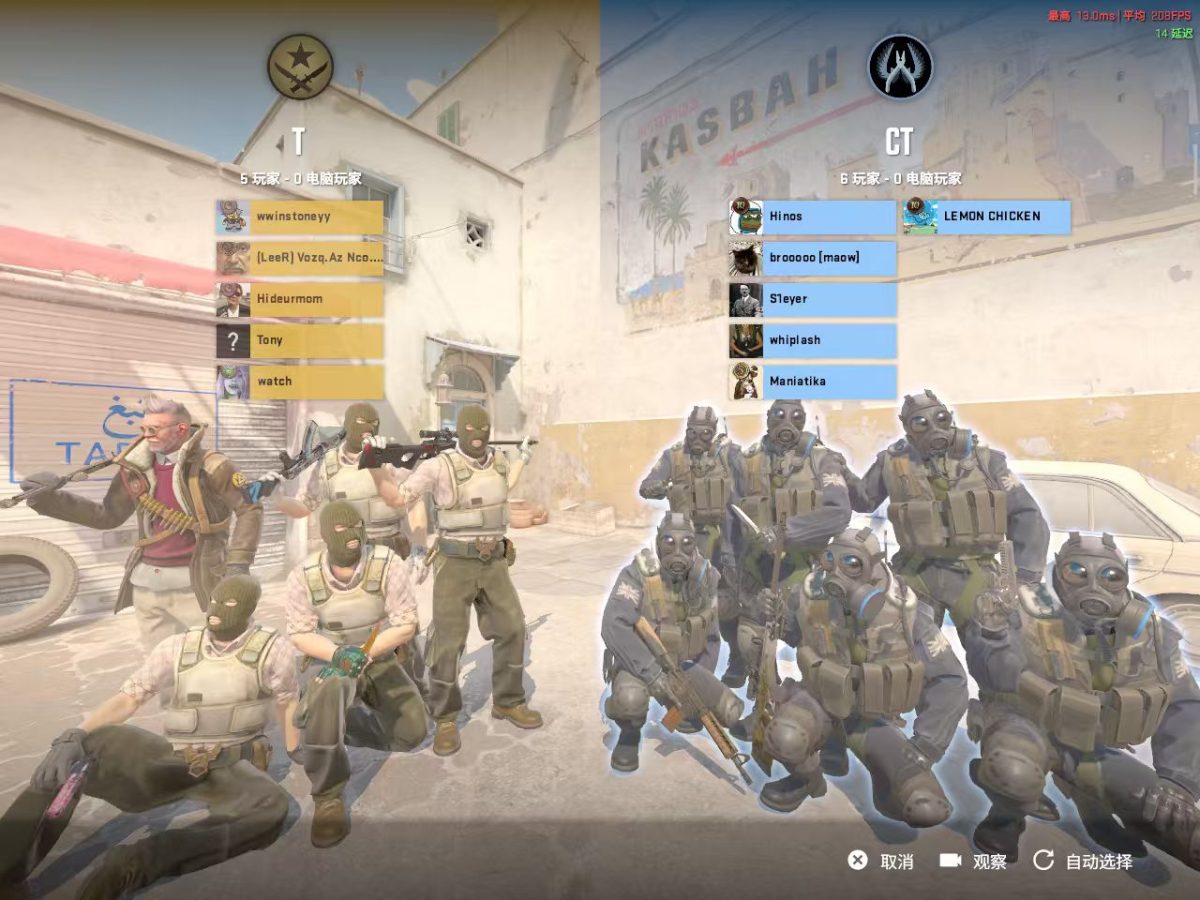
In games like Ready or Not and Left 4 Dead, NPC allies can act individually based on real-time needs. AI teammates in “Ready or Not” can turn a single input from the command wheel into a tactical breach that can paralyze terrorists’ defenses. Similarly, AI teammates in “Left for Dead” can provide firepower, while reviving teammates and healing the player when health is low.
Beyond helping players to achieve goals, some developers are using AI to create formidable enemies. My most impressive experiences were with “Elden Ring” and “Helldivers 2.”
Bosses from “Elden Ring” learn your pattern in fighting and after a certain time they can deliver a counter attack to players and their combos are a complex combination from their moveset assets, especially the Royal Revenant and The Promised Consort Radahn. In “Helldivers 2,” the enemies are equally relentless; bots and bugs detect movement and call for backup, forcing players to move carefully to avoid being flanked by a swarm.
No Man’s Sky is also another prime example of using AI in the “right place.” This AI model helps generate endless galaxies and planets from the developer’s available assets to offer players infinite opportunities to explore each time they log in the game without costing developers millions and decades of manual labor.
“Procedural generation allows small teams to punch above their weight,”said Julian Togelius, an associate professor at New York University’s Game Innovation Lab.”It enables the creation of worlds that would otherwise require thousands of artists.”
Game testing has also become more efficient with AI. Nowadays, some companies use AI to test games rather than hiring people. This not only offers lower cost and time but also boosts the speed of testing bugs in games. However, this efficiency comes with a cost.
Despite these merits, the downsides are inevitable. Generative AI is currently the biggest concern in the gaming community. According to a 2026 survey by the Game Developers Conference, 52% of developers believe generative AI is having a negative impact on the industry. Both gamers and developers often feel that AI-generated art lacks the intent and creativity of human-made designs, hurting the “soul” of the industry.
“If you really want to evoke specific emotions, you lose some of that control,” said one developer in a recent University of Antwerp study on AI implementation. “There are many games that lose a lot of heart and passion because they start using generative AI a lot.”
People are also afraid that jobs involving character design, game testing, and other positions will be replaced by AI. Genie 3 is a good example of this problem. Google’s new AI that can “generate” a fully interactive game from a single prompt and it is posing a significant threat to game developers, especially indie-game creators.
In my opinion, AI excels as a force multiplier for handling infinite world generation and smart enemies design, as seen in “No Man’s Sky” and “Elden Ring,” it falters when replacing creative expressions like character design or story telling. Players embrace AI-driven NPCs but reject soulless outputs.
The solution is to confine AI to scale and logical systems. By letting the machine handle the heavy tasks of code and geometry, human developers can focus on delivering stories that matter to us.