


In 1934 Hollywood adopted the Hays cinema code, a set of industry guidelines that stated films could only portray “Correct standards of life, subject only to the requirements of drama and entertainment.” They prohibited films from presenting those who didn’t adhere to the public’s opinion of correctness, especially content related to LGBTQ+.
Why does this matter today? These ideals that were held by the American public opinion during the ’30-’60s are still reflected in the media. Because that code was used from the movie’s industries earlier days through to the 1960s, the effect it had on cinema is still noticeable today. This is most apparent in the trope of the queer-coded antagonist.
What do you do when you want to put queer themed content in your film but can only throw the audience’s sympathy to actions and characters perceived as correct? You give those qualities to the villain or antagonist of your story.
As Overly Sarcastic Productions discusses in her video on the subject, queer-coded antagonists were villains who behaved in ways typically associated with being queer. Flamboyance, acting mildly suggestive, being over the top. If you want to see evidence of this, look no further than the vast majority of classic Disney villains. Scar, Ursula, Captain Hook, and many others were queer-coded in such a way to make them seem more “dangerous” and “volatile.”
These villains, while somewhat harmful stereotypes, are also some of the most beloved in the media. The phrase “Disney villain” usually brings to mind one of these characters, and they have unique personalities that are still memorable today. However, they aren’t the only queer stereotypes appearing in modern media.
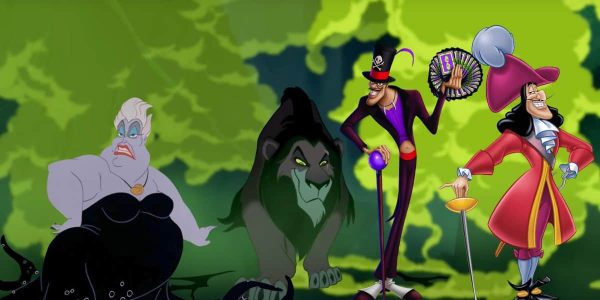
Photo by Disney Dining
Many queer identifying characters are forced into boxes that make their queer identity the driving force or main gimmick of their character. Gay men are often depicted as promiscuous, or with qualities typically considered “immasculine.” Meanwhile non-binary characters are usually members of an enlightened, wise alien race, or are otherwise ethereal or non-human. And most aero-ace reps are either robots or evil overlords who don’t understand what it means to love.
Many writers can sometimes struggle with the inclusion of a queer character, whether out of a feeling of nervousness around the subject or only write one in order to feel inclusive. This can lead to the writing trope informally known as “bury-your-gays.” Oftentimes a queer character will either come to terms with their identity, or conclude some emotional arc, and then die. The writer may feel uncomfortable about this character, so instead of dealing with the emotional burden of continuing their story, they instead just kill them off to avoid it all together.
In short, the media industry still suffers from queer identity stereotypes that have stuck around in the collective subconscious for over a century, and need to be overcome. They are oftentimes frustrating for a queer audience and can be demeaning or harmful to real people. If we as a society break free of these preconceptions we can eradicate these tropes in the media and in turn improve the situation in the real world. If writers can create characters that are more true to themselves and exist as a character outside of the ideals about their identity, then the effect will be, as it often is, reflected out into the real world.