













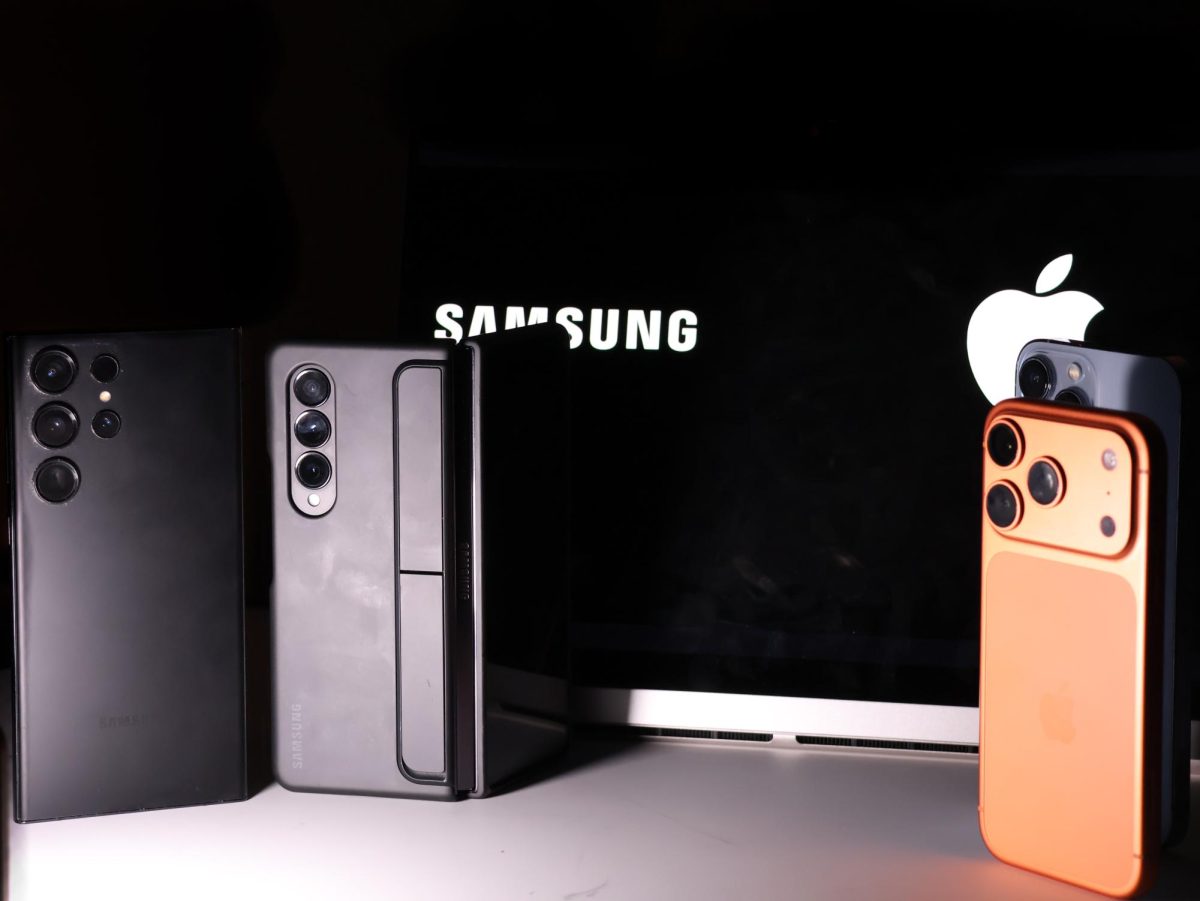
Every year, the news of Apple’s newest iPhone launch spreads like wildfire. Reviews and ads appear all over social media, people praise it for its “new” features, and soon the device can be seen in everyone’s hands. Apple’s marketing is persuasive, its interface and ecosystem are familiar, and its fanbase is extremely loyal. As a result, many users choose Apple without questioning whether it offers the best experience for their needs.

Smartphones are now necessities rather than luxury items. They are used not only for communication, but also for entertainment, work and school, creativity, memories, the list goes on. Apple still dominates in brand recognition and sales, with over seven models in the top 10 best-selling smartphones in both 2024 and 2025, according to Counterpoint Research; however, dominance does not mean the best value or experience for every user. In contrast, Android is more flexible and user-centered, offering innovation, customization, convenience, compatibility, and freedom that many users might not realize they’re missing.
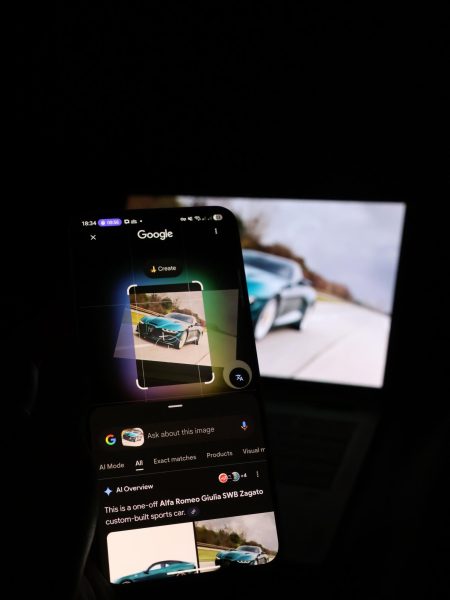
Apple’s approach focuses on marketing, consistency, and control; its closed ecosystem has a smooth and convenient experience, but it also limits users from trying new things and personalizing their devices. Android, on the other hand, is an open system used by multiple manufacturers, with Samsung being a prime example. Android focuses on user control, shown in features like the universal back button and deep customization tools like Samsung’s Good Lock. Although many still have misconceptions about Android being laggy, prone to viruses, having cheap build quality, bad camera quality, and incidents of exploding in the past, modern phones have already shown how outdated these stereotypes are.
One of Android’s biggest advantages is innovation. With a diverse range of manufacturers, Android phones often adopt new technologies much earlier than iPhones. Features such as AMOLED and high refresh rate displays, fast charging, wireless charging, large capacity batteries, folding technology, multi-tasking, AI features, and unique designs all appeared long before Apple caught up. Android manufacturers are willing to take risks to improve the user experience, while Apple prioritizes stability and profit.
Customization and convenience take Android phones to a whole other level. Users can change home screen layouts freely, use diverse and custom widgets, install custom launchers to change how the homescreen works and looks, change system settings, and access files freely. Users can multitask with split screens and floating windows, customize gestures and buttons, install apps made by the community unavailable on the Play Store, and even “root” the phone or “install custom ROMs” to further unlock hidden features. According to Tom’s guide, convenient features like the ability to use fingerprint and faceID simultaneously, Google Gemini, Circle to Search, instant on-screen translation and music identifier, and the universal back button improve efficiency and flow while using the phone. Apple has made progress with the introduction of 3 main types of themes, the action and camera action buttons, and ChatGPT Siri, but it still has a long way to go.
You might say Apple has the best ecosystem, with AirDrop and a whole lineup of premium-priced items like the iPhones, iPads, Macs, AirPods, and Apple watches. However, Android goes above and beyond, with Quick Share (similar to Airdrop) working across all Android devices, computers, and even Apple devices. There are also multiple brands, price ranges, and platforms, including seamless integration of Microsoft and Google services. This lets users be flexible when choosing devices and choose based on their needs.
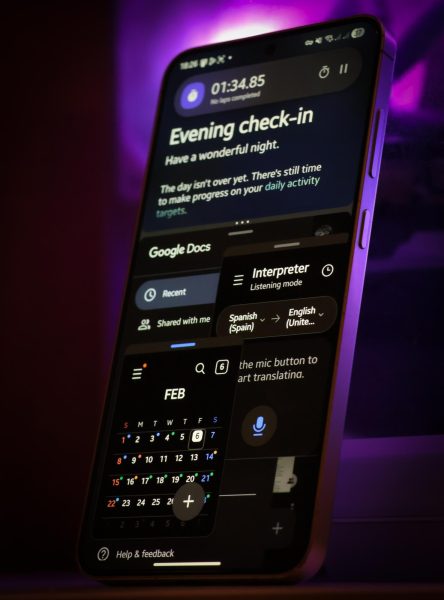
Android also has a big advantage in hardware and specs. Samsung and other Android manufacturers offer 200 megapixel cameras, telephoto lenses with more than 120x zoom, clear night photography, and professional photo and video modes. Most high-end Androids use AMOLED with 120-240hz refresh rate, and most low-end phones use 90hz or more, compared to Apple’s 120hz and 60hz, respectively. Flagship Androids have chipsets that run up to 50% faster than iPhones’ (Nanoreview, 2025), desktop modes when connected to displays or TVs, larger batteries with much faster charging speed, reverse charging, and wireless charging, prioritizing productivity. Apple’s optimization helps cover the weaker specs, but aesthetic software and excessive animations sometimes have the counter-effect of slowing down the phone and draining the battery even more quickly.
Personally, I switched from Apple to a Samsung flagship two years ago, and use my phone mainly for entertainment, productivity, and gaming. I’ve come to realize that Android fits my needs better because of its performance, multitasking capabilities, customization, and freedom to install apps and manage files. Circle to search, connect to Windows and Google, and Gemini are also integrated into my routine, and I can’t live without them.
This does not mean you should be anti-Apple. Apple products are still polished, reliable, and work well for many people. However, the problem is when people don’t reflect on what they actually need from their smartphones. The best smartphone experience should not be conformity; in my opinion, it should give users control, flexibility, and freedom to use their device how they want. Next time, don’t just upgrade your phone, upgrade your expectations of what your phone can do for you.